ADVERTISEMENT
Guide to Travel Vaccinations and Health Preparation
Travel brings new experiences, but also exposes you to unfamiliar germs. Before your trip, understanding travel vaccinations and health precautions is crucial for your safety. Skipping this planning step is as risky as neglecting to maintain your car's brakes. Many travellers ignore it until illness cuts their journey short. Vaccinations defend against foreign germs, which are sometimes required for entry. Don't let sickness ruin your dream vacation.
Why Some Places Need Vaccines
Diseases are not the same everywhere. One country may have an illness that another has wiped out. For example, yellow fever is common in parts of Africa and South America. People from places where it does not exist can become very sick because they lack protection. Some countries will not let visitors in without a record of a yellow fever shot.
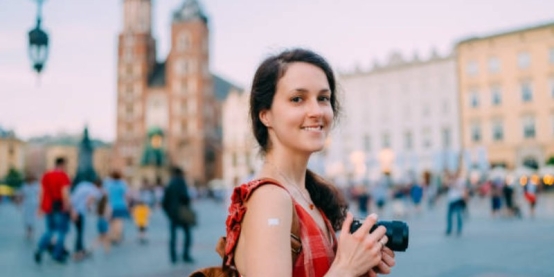
Another risk is hepatitis A and B. Eating unsafe food or drinking bad water in some countries can spread these. Typhoid is another danger for travellers visiting areas with poor sanitation. These diseases do not care if someone saved money for months for their trip.
Health experts at the Centres for Disease Control and Prevention say travellers should research what shots are needed at least a month before departure. Some shots need time to work. Last-minute rushes may leave no time for the body to build a strong defence.
How to Know What Vaccines to Get
No one vaccine list fits all travellers. Where someone goes, what they plan to do, and their health history matter; someone going on a safari in Kenya will need different shots than someone visiting a fancy hotel in Paris.
The first step is to check official travel health notices. Government health websites often have updated advice. Consulting a travel clinic or doctor is also helpful. Many family clinics offer travel shots and advice.
Routine shots, such as those for measles, mumps, rubella, flu, and COVID-19 boosters, are just as important. Diseases do not take breaks just because someone is on vacation.
Do Not Forget Malaria and Mosquito Protection
Malaria is a serious threat in parts of Africa, Asia, and South America. There is no vaccine for malaria, but doctors prescribe pills to reduce the risk. These pills must be taken before, during, and after travel. Skipping them is like opening the door for mosquitoes to bring sickness into the body.
Wearing long clothing, using bed nets, and spraying insect repellent also helps. These simple steps can prevent mosquito bites that spread malaria, dengue, or Zika. The World Health Organisation warns that malaria kills hundreds of thousands each year. Staying careful is better than ending up in a hospital bed far from home.
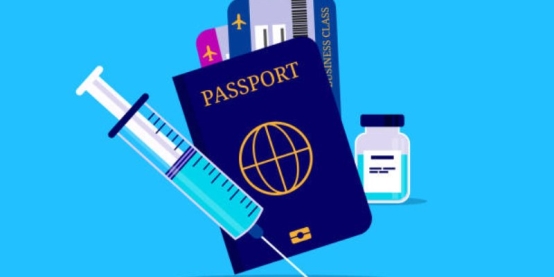
Packing a Smart Travel Health Kit
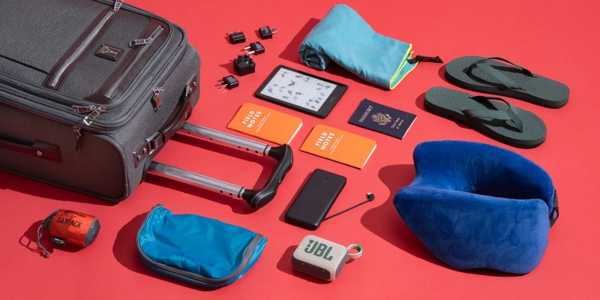
Vaccines and pills help, but travellers should also pack a health kit. It should include basics such as painkillers, bandages, bug spray, sunscreen, and hand sanitiser. For some places, water purification tablets are a wise choice.
People with health conditions, such as asthma or diabetes, must pack enough medication for the entire trip. Bringing extra is smart in case flights are delayed. Not every country sells the same brands or doses.
Travel insurance with medical coverage is also wise. An accident or sudden illness can be extremely costly. No one wants to deplete their savings by paying foreign hospital bills.
Food and Water Rules While Abroad
Stomach bugs ruin trips faster than lost luggage. Drinking bottled water, eating only cooked food, and skipping street ice are good rules. Even a fancy hotel can occasionally make a mistake. Travellers who want to taste local snacks should watch how clean the stall is.
Peeling fruits by hand is safer than eating pre-cut fruit. Hands should be washed frequently or cleaned with sanitiser before handling food. Germs do not care if hands look clean.
Respecting Local Health Rules
Some countries have strict health laws for good reasons. During disease outbreaks, masks, testing, or proof of shots may be needed. Not following the rules can result in fines or being sent home.
Travellers should stay informed by reading local news and updates. What is safe today can change tomorrow.
Extra Tips for Safe Trips
Good health planning goes beyond shots and pills. Sleep enough before trips. Rest boosts the body's defence. Long flights can wear people out, so staying hydrated and moving around during flights helps.
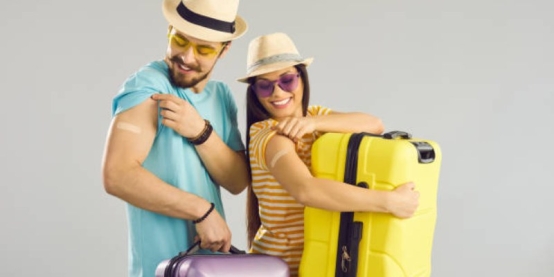
Travellers should listen to their bodies. If feeling sick abroad, seeing a doctor early can prevent bigger trouble later. Many countries have good clinics, and hotels often know where to find help fast.
Watching diet helps too. New foods are part of the fun of travel, but overeating or drinking too much can turn a good day into a bad one. Health does not come back overnight once lost.
Health Choices Matter
Travel is meant to refresh the mind, not weaken the body. Taking a few smart steps can help keep sickness at bay. Many people plan flights, hotels, and sightseeing, but forget to plan for staying healthy.
It is not wise to spend money on flights only to spend the trip stuck in bed. Good health is worth more than fancy souvenirs. Before embarking on the next big adventure, understanding the necessary vaccines, medications, and safety precautions is the key to a safe journey.